Istanbul

Let me tell you a bit about one of the best weeks of my life. It started as a post to a newsgroup I occasionally monitor (rete). There was going to be an intensive class in the design and construction of astrolabes held in April, in Istanbul. I hadn’t even considered going, but when my wonderful wife heard about it she said “You ARE going, right?”

And so I went.

I could spend several pages ranting about that city. Suffice to say I’m in love with it now. But I’ll focus on the seminar.
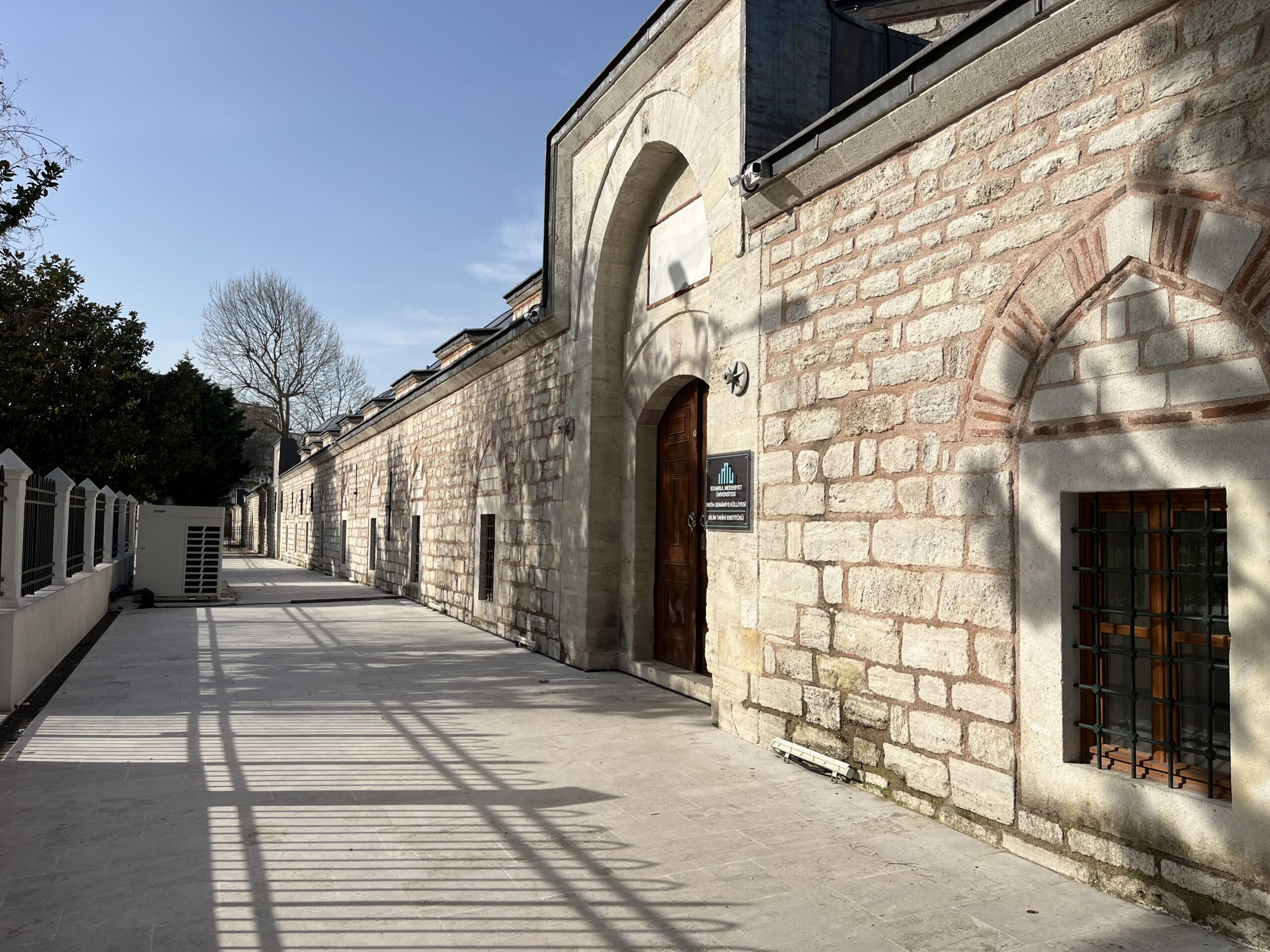
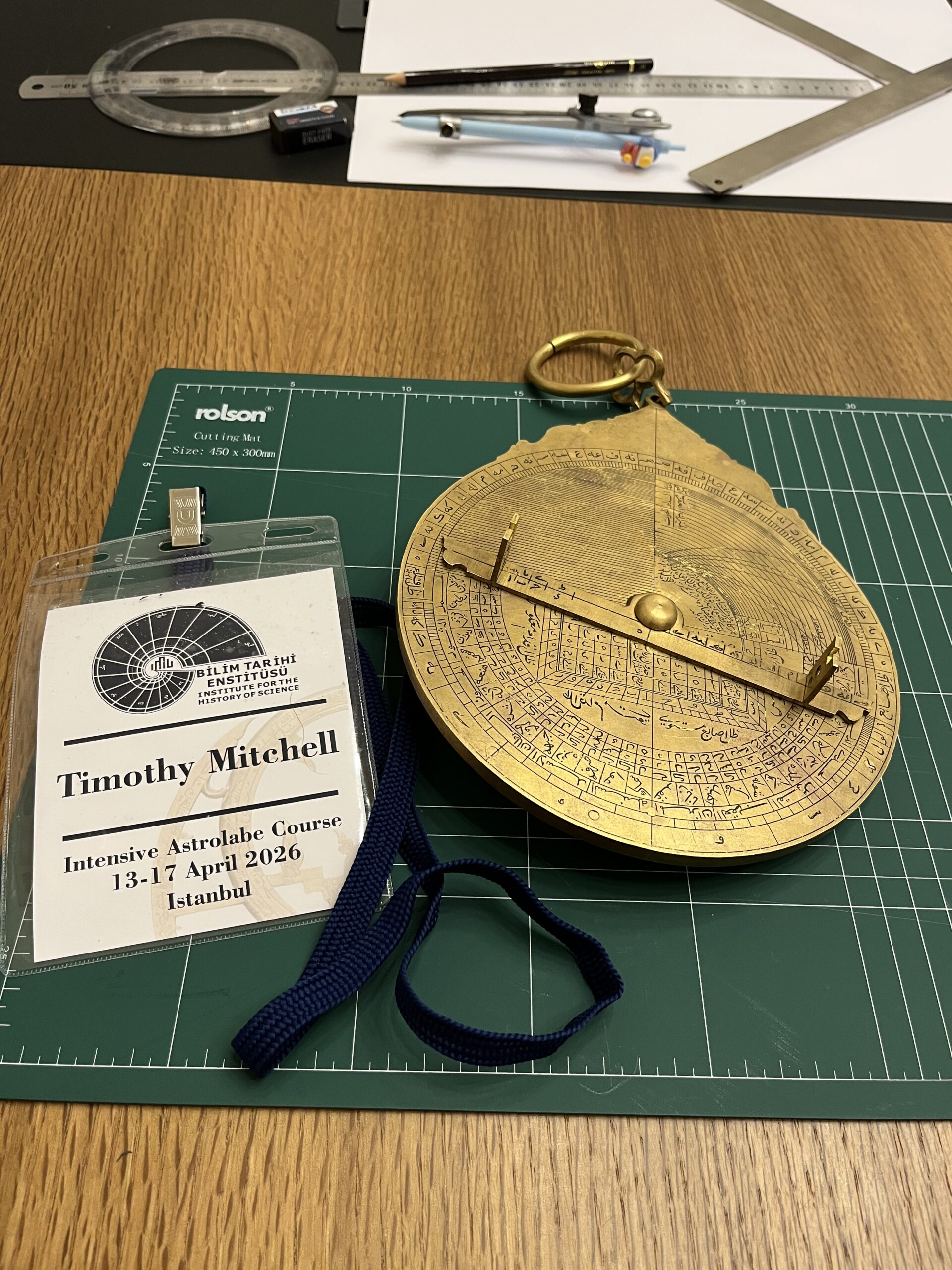
The title of the seminar was Intensive Astrolabe Course, and it was given by Dr Taha Yasin Arslan of the Institute for the History of Science at Istanbul Medeniyet University. The site was a gorgeous, recently renovated, 15th century madrasa in Fatih, Istanbul. Under the tutelage of Dr Arslan the seven participants, and his two assistants spent a week learning how to lay out the basic astrolabe scales using a compass and straight-edge.
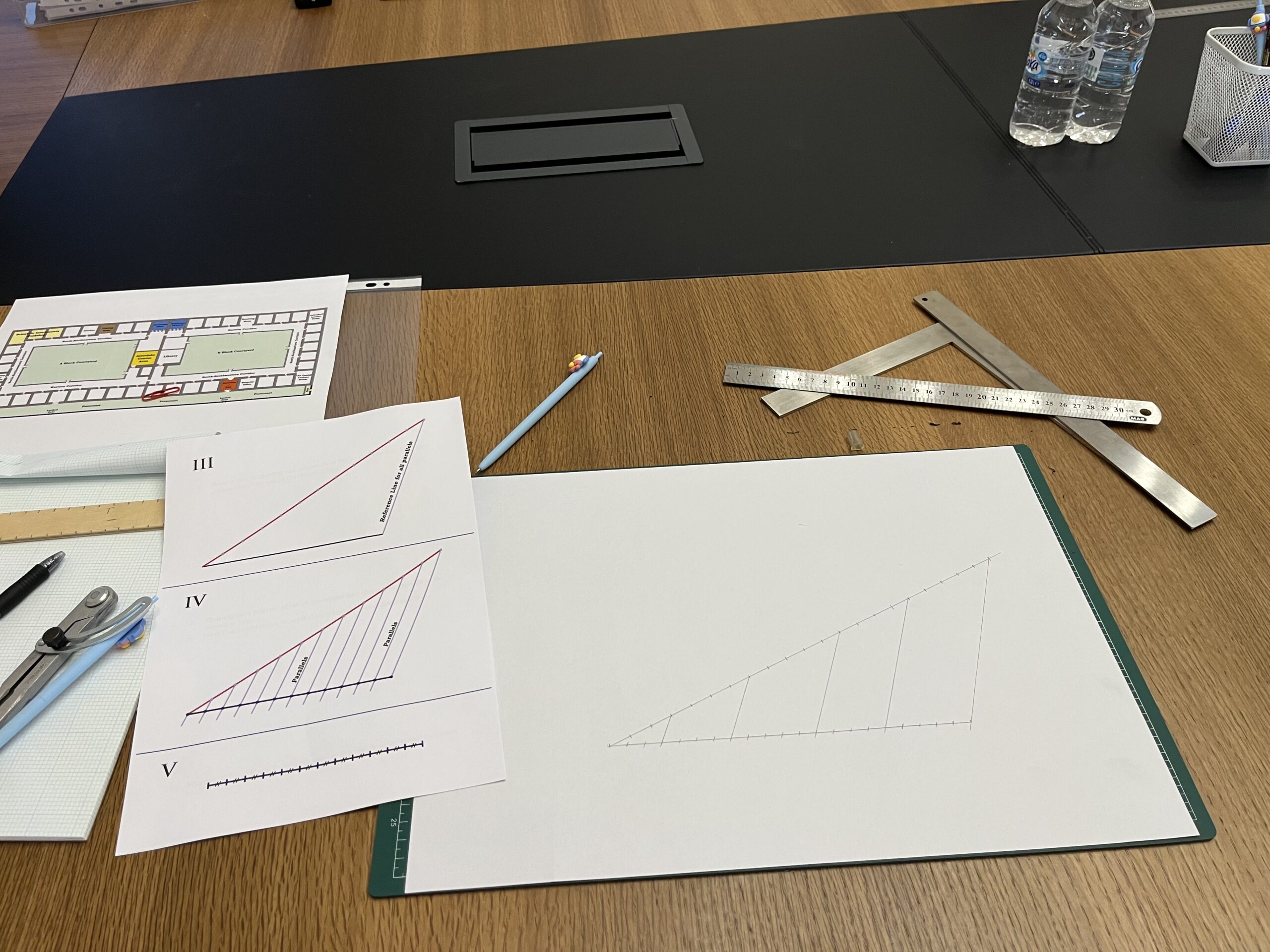
Much of the course covered ground I’m familiar with. But I learned new techniques, and was able to practice rusty skills. A chance to spend a week in a room with Very Smart People and just geek out about a subject I’m obsessed with was wonderful. Aside from the course I picked up new knowledge just talking to people.

And of course, in additon to being an excellent teacher, Taha is a master craftsman who makes to most beautiful reproduction instruments. Getting to play with those was worth the trip alone.
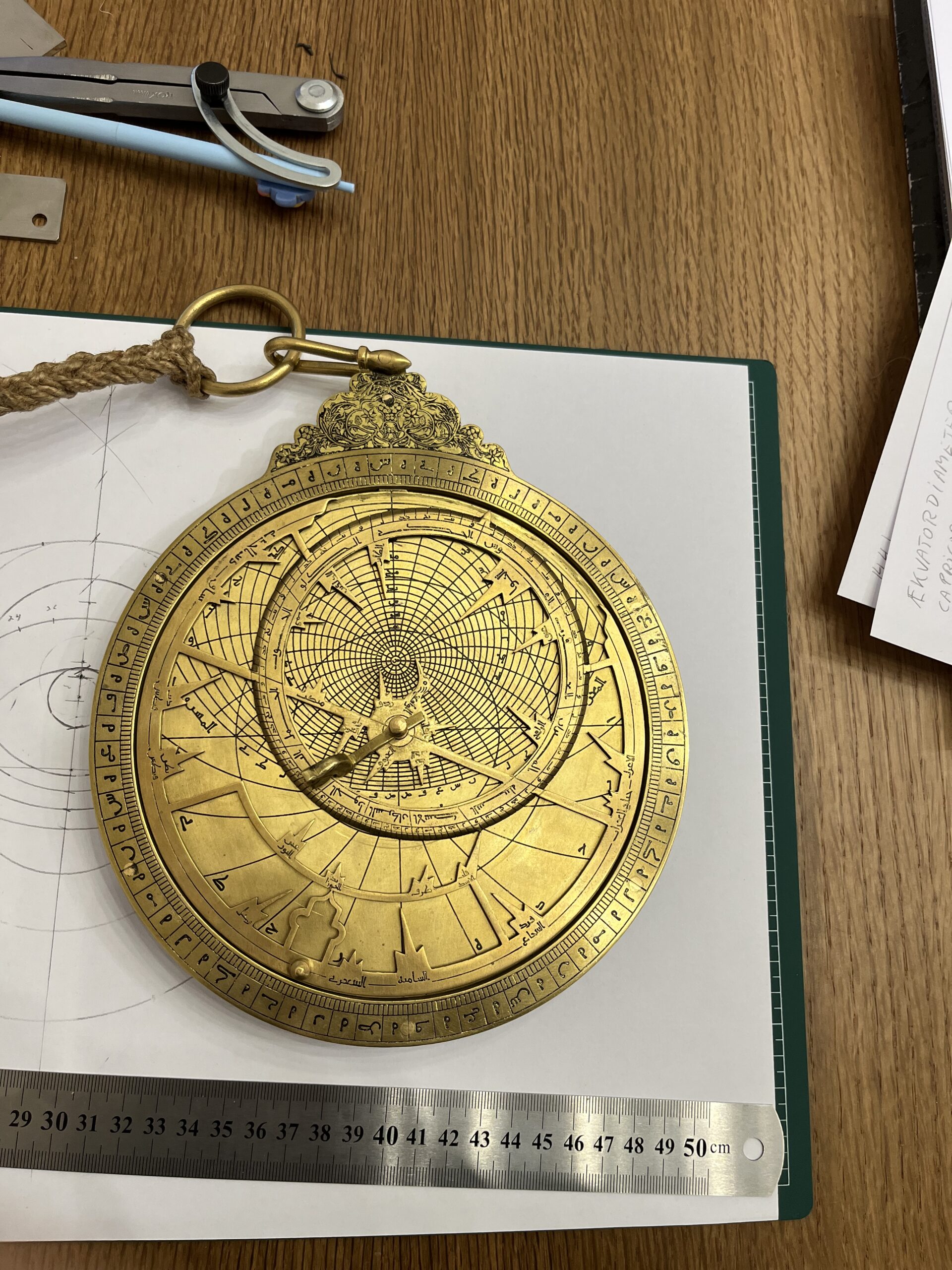
My one regret is that there was not enough time to hit every museum. I need to go back and do that.

I came back with a list of updates to make to the Astrolabe Generator, notes for overhauling my astrolabe handout, and an itch to get back to work on my Drafting an Astrolabe project.

Notes:

  • The Blue Mosque is a Do Not Miss. It is literally breathtaking. Seriously, I forgot to breathe for a bit upon entering.
  • Public transport is crowded, but worth it.
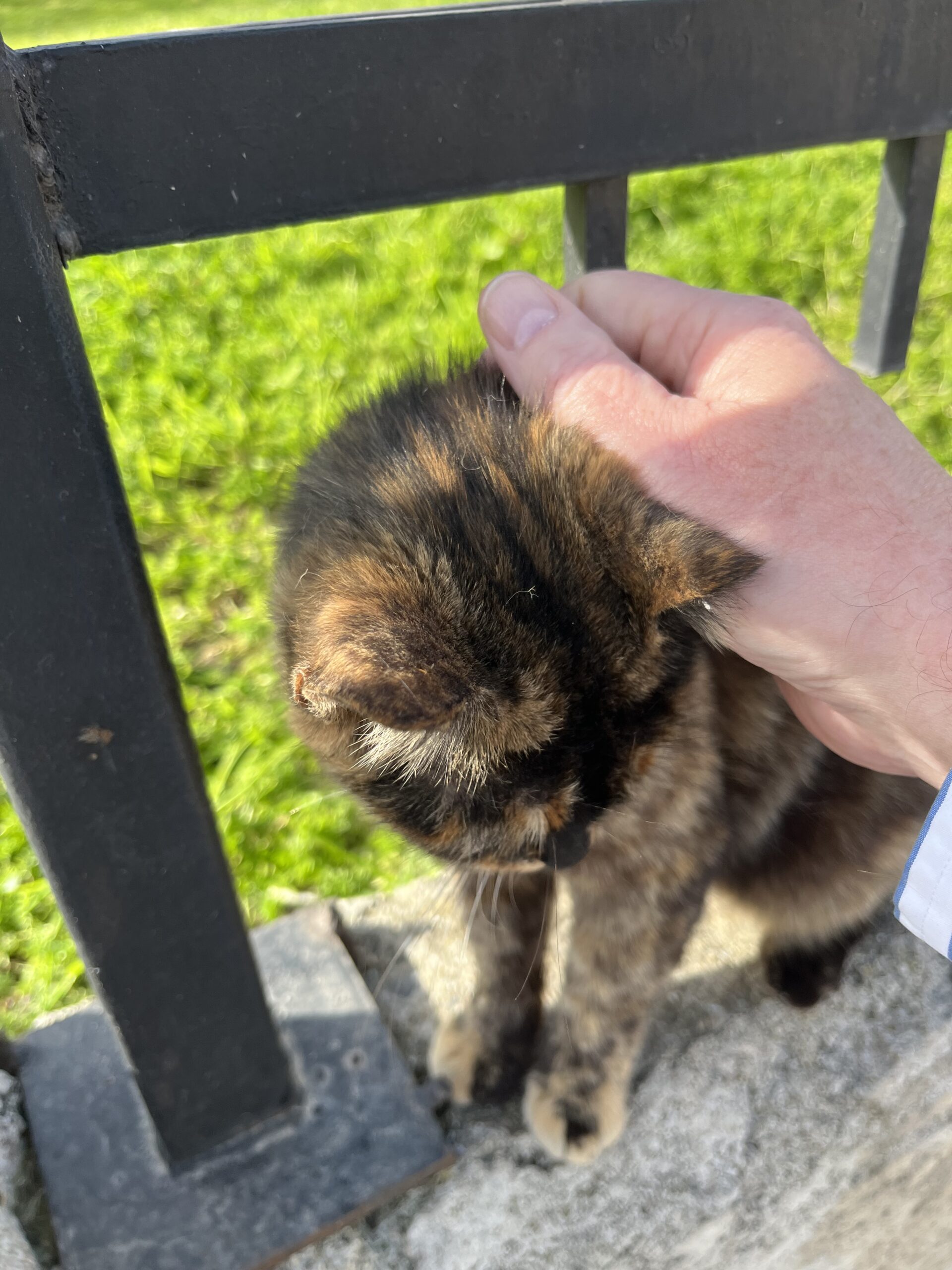
  • Cats, cats everywhere. They own the city.
New class handout!

At Pennsic War this year I premiered a new class, one I’ve been wanting to do for many years: “Designing a Sundial with Period Techniques: An Introduction to Geometric Construction as a Medieval Tool” Most of us were exposed to the concept of Geometric Constriction in High School, then promptly forgot about it. This class (which is designed to be self-contained) walks the student through the process of laying out the major types of sundial using period techniques. Handout, Workbook, Examples

No no he’s not dead, he’s, he’s restin’!

Work on the Astrolabe Generator is still in progress. Version 4 is coming along. Covid, job changes, life changes and laziness, combined with my tendency to hyper-focus on projects in rotation has meant that updates to this blog, and pushing out Version 4 will come slowly. I do respond to bug reports, and I am working on new functionality. I’ll try to post more often.

Bug Fix

A friend in Australia noticed that there was a problem with rendering the twilight lines when working in the southern hemisphere. I missed a couple of lines of code when I added support for southern latitudes. The problem is now fixed, and the download for the Astrolabe Generator is updated to the patched version.

New project up on Thingiverse

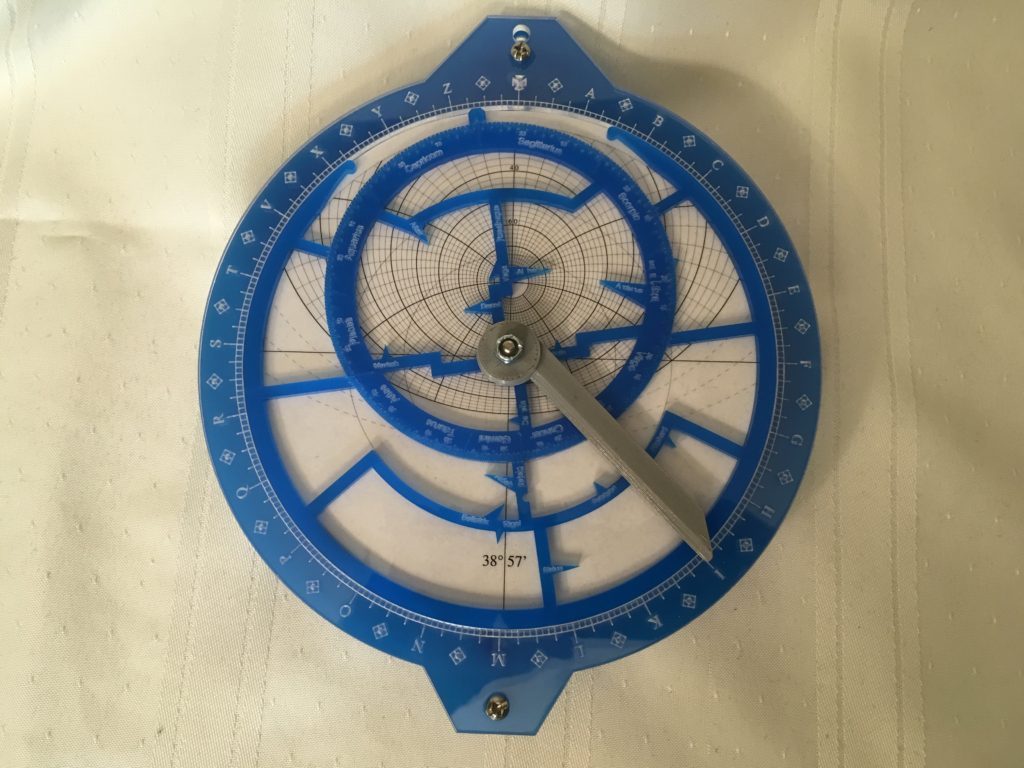
The advanced astrolabe

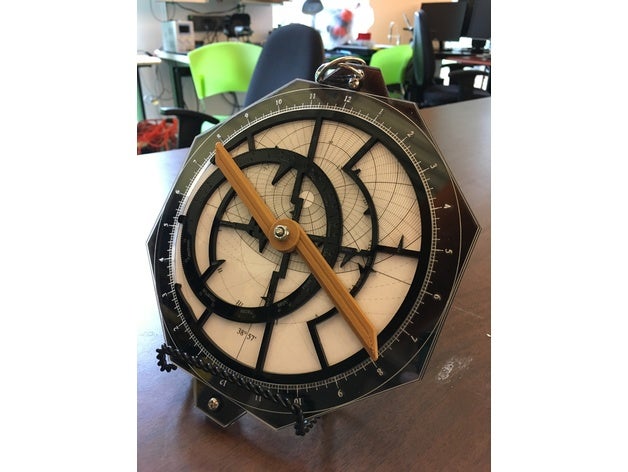
Yesterday I added another project to my Thingiverse projects: The Advanced Astrolabe. This project shares the same design plan as the Basic astrolabe I posted earlier, but I added more advanced features to this one. Those of you who want something more substantial than paper to work with should check this out.

Euclidea – Geometric Construction puzzles

In researching the astrolabe and related tools, geometric construction comes up regularly. I find the process of using a straight edge and compass to create accurate designs to be fascinating in and of itself. One of my ongoing projects is drafting an astrolabe using just those tools.

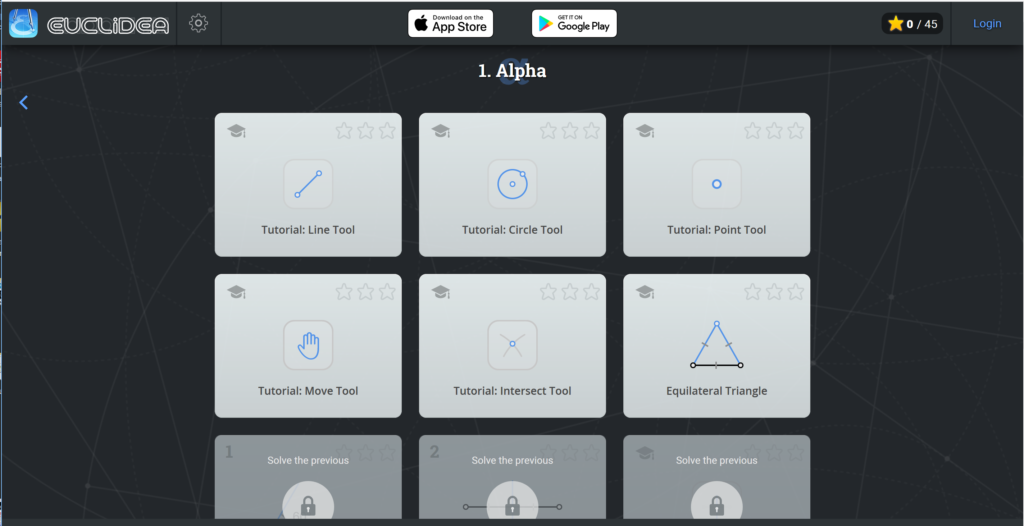
The other day I ran across a fascinating and addictive puzzle game that teaches geometric construction over the course of many intricate problems.

Euclidea can be played using a browser, or via mobile apps downloadable from Google Play or the App Store.

Euclidea screenshot
Euclidea

The game starts with a series of simple tutorials to teach the interface, then proceeds to present the user with more and more challenging tasks.

Fun, and useful to anyone interested in astrolabes or geometric construction.

Maker Faire Nova

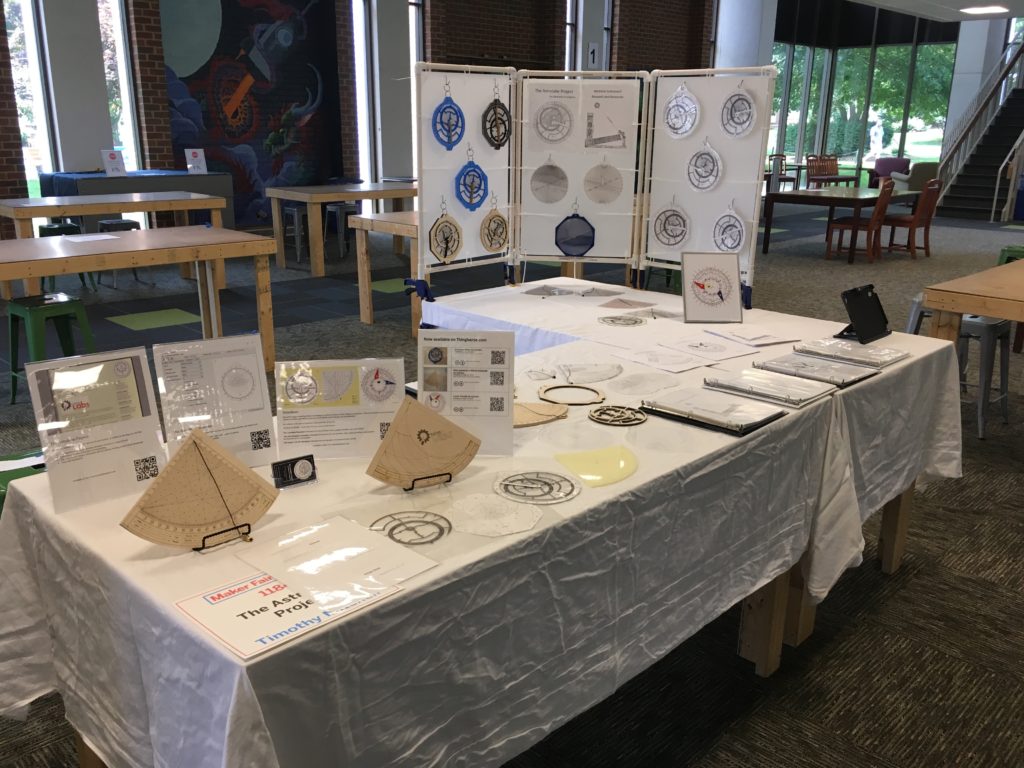
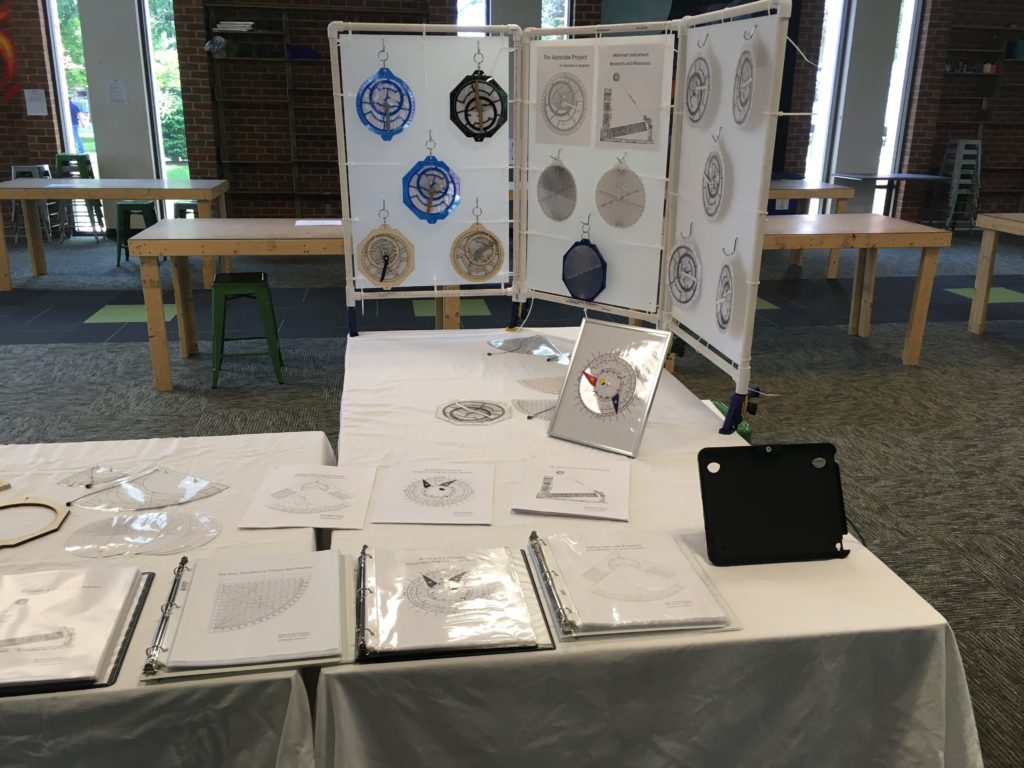
Astrolabes were on display at Maker Faire Nova. The Maker Faire at George Mason University was this past Sunday. A good time was had by all. I had a prime site for my display and had a constant stream of visitors. On display were all my various paper versions of astrolabes and quadrants, along with a selection of the new work in wood and acrylic. I had the chance to demo the functions of the astrolabe and discuss history and its uses in period.

Lessons

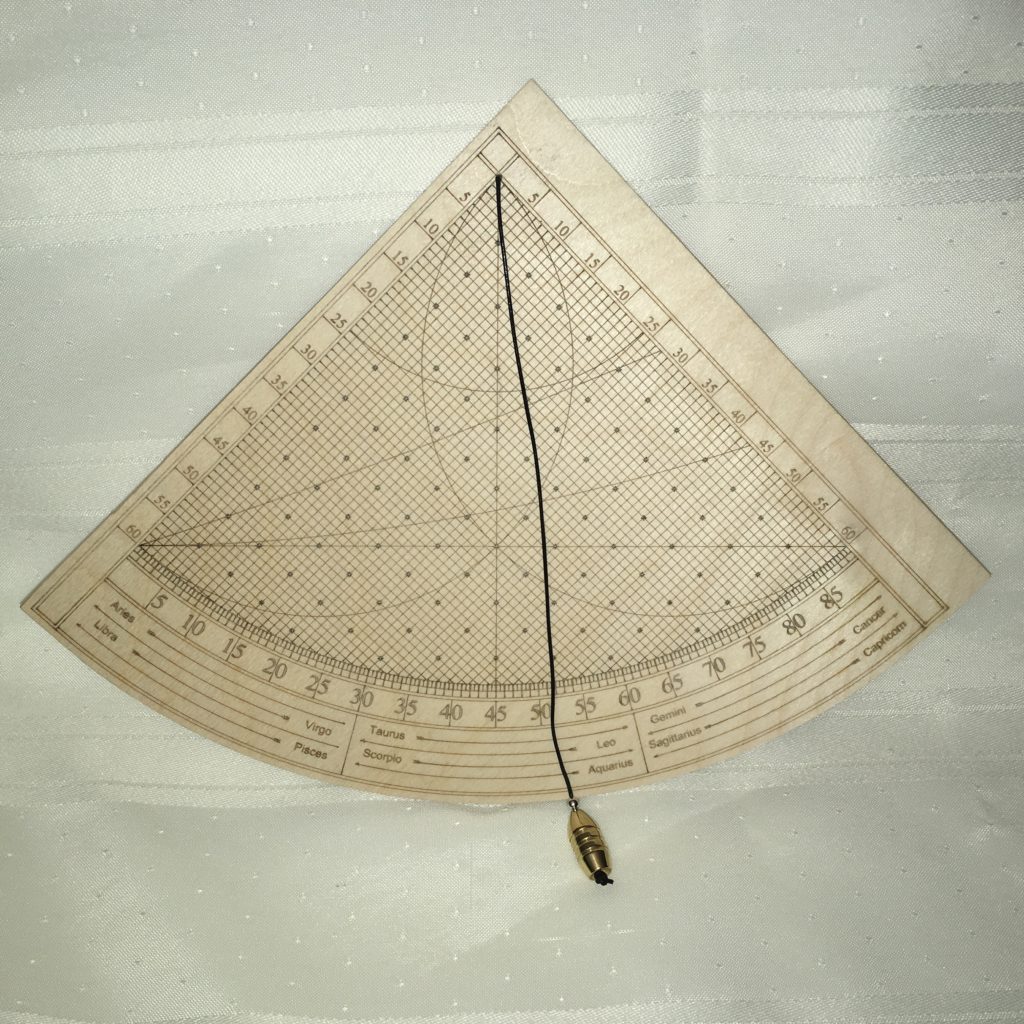
The booth setup worked well, giving me plenty of room to move about, and lots of room for visitors to look. actual live demos did not come off as much as I would have liked, I had prepared walk-through sheets for each of the instrument types, but the only one that got any use was the one for doing math on the sine quadrant.

Another problem was the age of a lot of the participants. Many of the visitors were too young to have enough of a background in astronomy or math to really understand what I was explaining. There were surprises though, one young lady had done a report on astrolabes the previous month and was quite knowledgeable.

Finally, I set up a slide show with photos of extant pieces, and video of the laser cutter and 3D printers working. But I think having the simulators available would have been more of a help.

Astrolabes were on display at the maker faire booth
Astrolabes were on display

See also:
http://www.astrolabeproject.com/17/05/2019/nova-labs/
http://www.astrolabeproject.com/24/05/2019/thingiverse/

The Astrolabe Generator in media

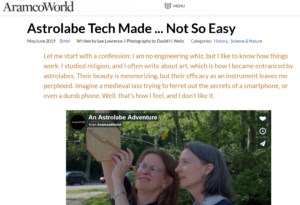
There are at least two articles about making and using astrolabes in the print media this month. The first, in the June issue of BBC Sky at Night Magazine is a quick how-to piece on constructing an instrument using my Astrolabe Generator. The second article is in May/June issue of AramocoWorld and is more in-depth on use. it is very good to see my work bring used, and reaching a wider audience.

The Astrolabe Generator featured in Sky at Night Magazine
The Astrolabe Generator featured in AramocoWorld

Maker Faire Nova

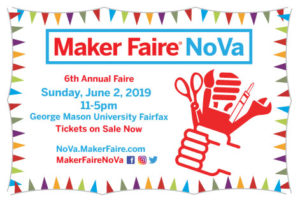
Next Sunday I will be displaying my work at the 6th Annual Maker Faire Nova (https://nova.makerfaire.com/) at George Mason University. I will have a wide selection of astrolabes, quadrants and such, along with all my current handouts and will be doing demonstrations. Come find me in the MIX building.

Thingiverse

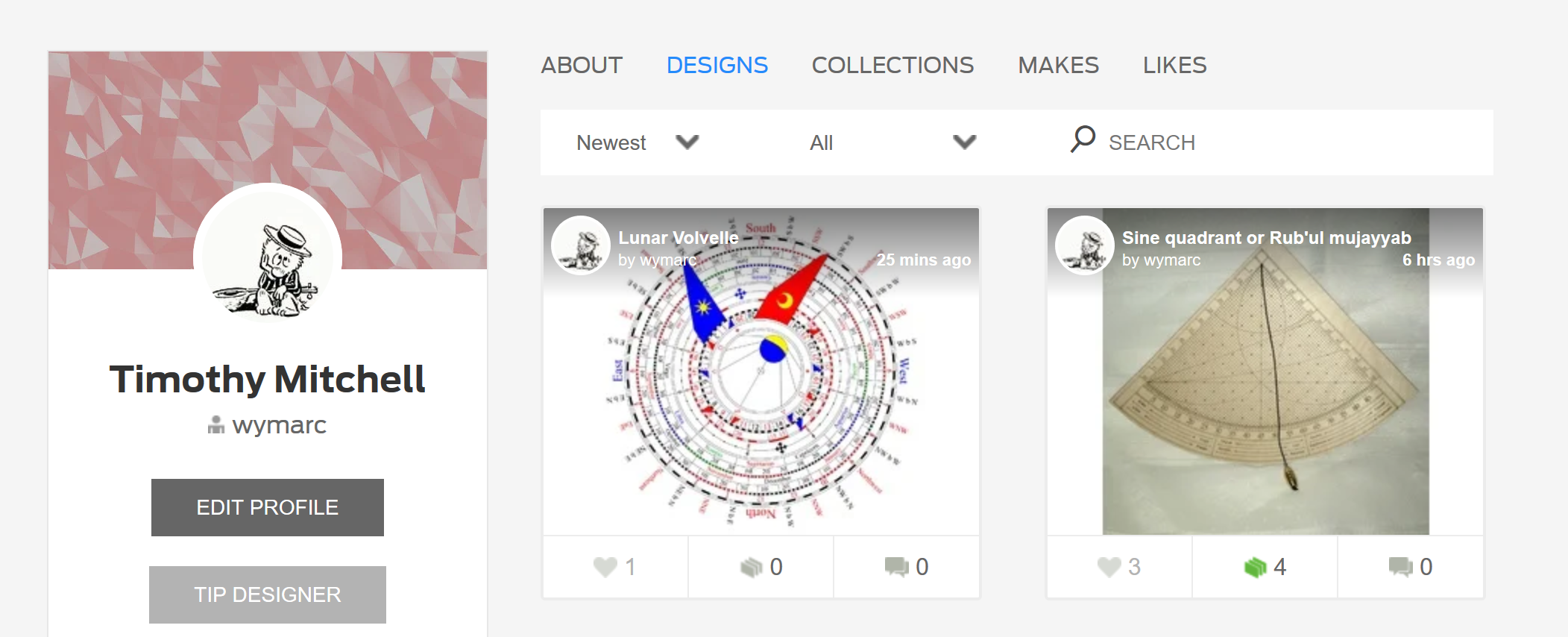
With me getting to the point of making instruments out of more than paper, I’ve started to post the working files and instructions on the Thingiverse site.

The first two projects have been added: A version of the Sine Quadrant (https://www.thingiverse.com/thing:3649670) and the Lunar Volvelle (https://www.thingiverse.com/thing:3650060).

I hope to have the astrolabe files up there soon, but that is a much more complex project.